

< Back
Nürburg Castle
Castle History
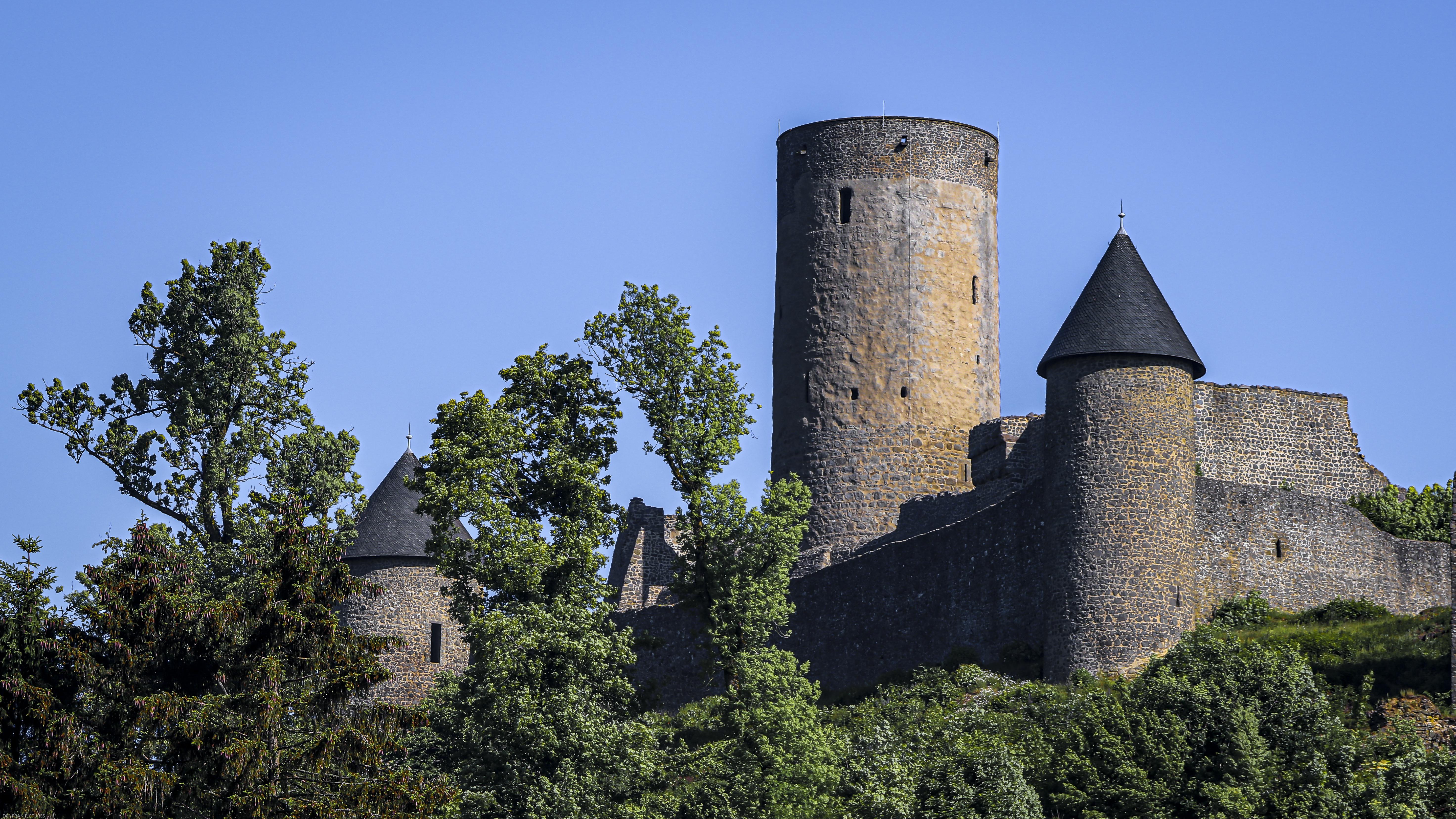
Sitting on a volcanic hill in the Eifel region, this medieval fortress dominates the surrounding landscape with rugged authority. Nürburg Castle was built in the 12th century by the Counts of Are to control strategic trade routes and assert their power over the region. The castle's Romanesque and Gothic architectural features reflect centuries of construction and adaptation. Its massive stone walls and rounded towers were designed to withstand sieges and provide a commanding view of the valleys below. Over the Middle Ages, it became an administrative center for the surrounding lands, managing both justice and taxation. The castle endured attacks during regional conflicts, including local feuds between rival noble families. Its inner keep and residential quarters reveal how military function and domestic comfort were balanced in medieval fortresses. By the 17th century, the castle had lost much of its strategic importance and gradually fell into ruin. The crumbling walls and towers today offer striking examples of medieval masonry techniques. Legends of knights, hidden treasures, and ghostly apparitions add an air of mystery to the site. During the Romantic period, artists and poets celebrated the ruins as a symbol of history and nostalgia. The surrounding Eifel countryside amplifies the dramatic presence of the castle, visible for miles around. Archaeological studies have uncovered artifacts that illuminate daily life in the castle across centuries. Visitors can walk along the surviving ramparts and towers, imagining the lives of the nobles and soldiers who once inhabited it. Nürburg Castle remains a powerful reminder of medieval authority, regional power struggles, and the enduring fascination of historic ruins.