


< Back
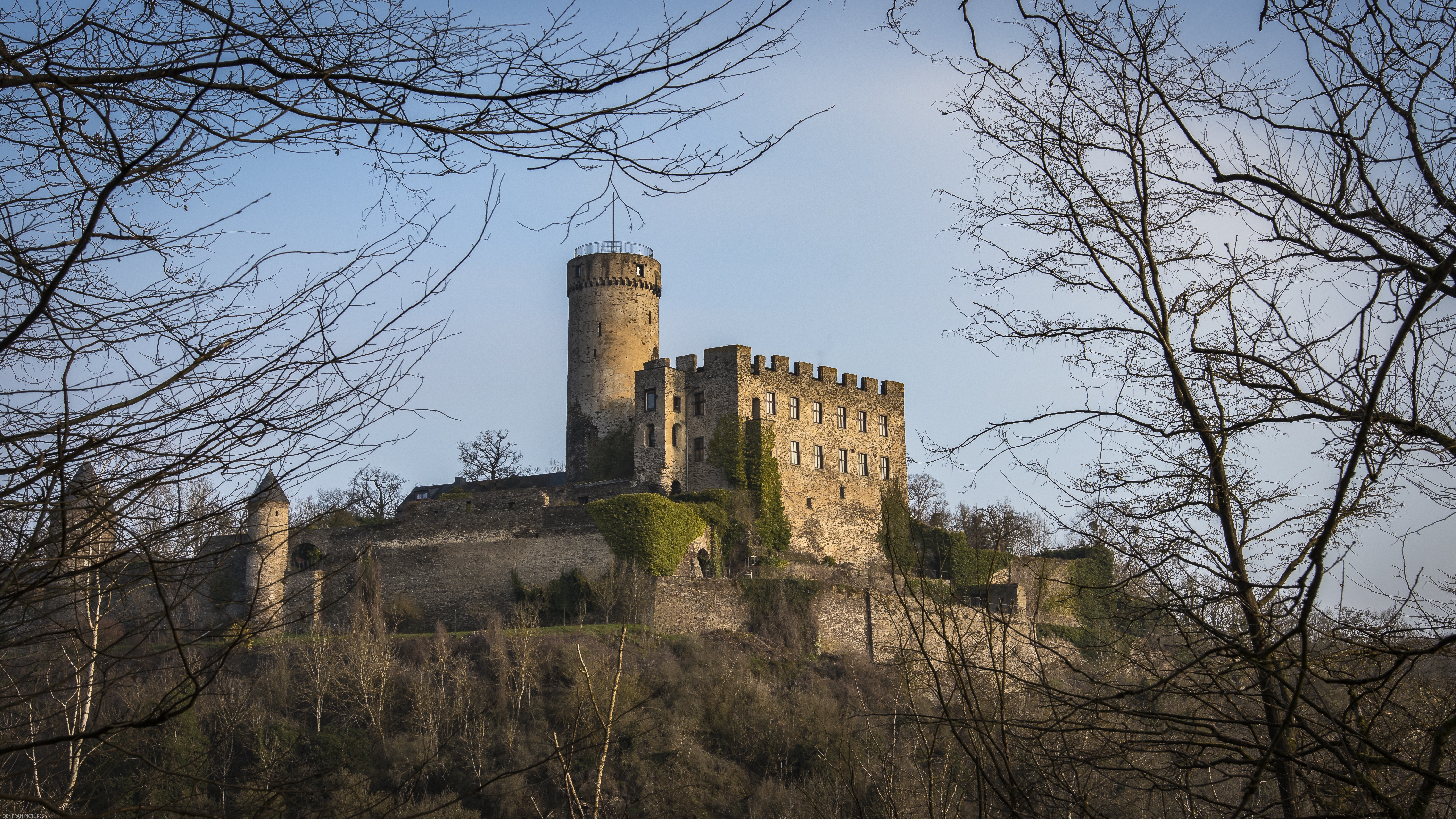
Pyrmont Castle
Castle History
Pyrmont Castle stands at the heart of Bad Pyrmont, its moats and bastions revealing a rare blend of medieval origins and Renaissance ambition. The site began as a fortified residence in the 13th century for the Counts of Pyrmont, who ruled the surrounding territory. Its location was chosen to control local routes and symbolize authority rather than to dominate a dramatic hilltop. In the 16th century, the castle was transformed into a modern water fortress with angular bastions designed for cannon warfare. These star-shaped defenses reflect the influence of Italian Renaissance military engineering north of the Alps. At the same time, the interior was reshaped to provide greater comfort and representational grandeur. Pyrmont became closely associated with the rise of the spa town, as visitors and nobility were drawn to its famous healing waters. Princes, scholars, and aristocrats passed through the area, linking the castle to early European spa culture. The castle served not only as a residence but also as an administrative center for the county. Its thick walls and wide moats gave it a reputation as one of the strongest fortresses in the region. After Pyrmont lost political independence, the castle's military role gradually faded. Rather than falling into ruin, it was adapted for civic and cultural purposes. Today, the complex houses a museum that explores regional history and the development of Bad Pyrmont as a spa destination. The surrounding parkland softens the fortress-like geometry of the bastions. Pyrmont Castle endures as an unusual meeting point of medieval lordship, Renaissance engineering, and the refined leisure culture of Europe's spa age.