


< Back
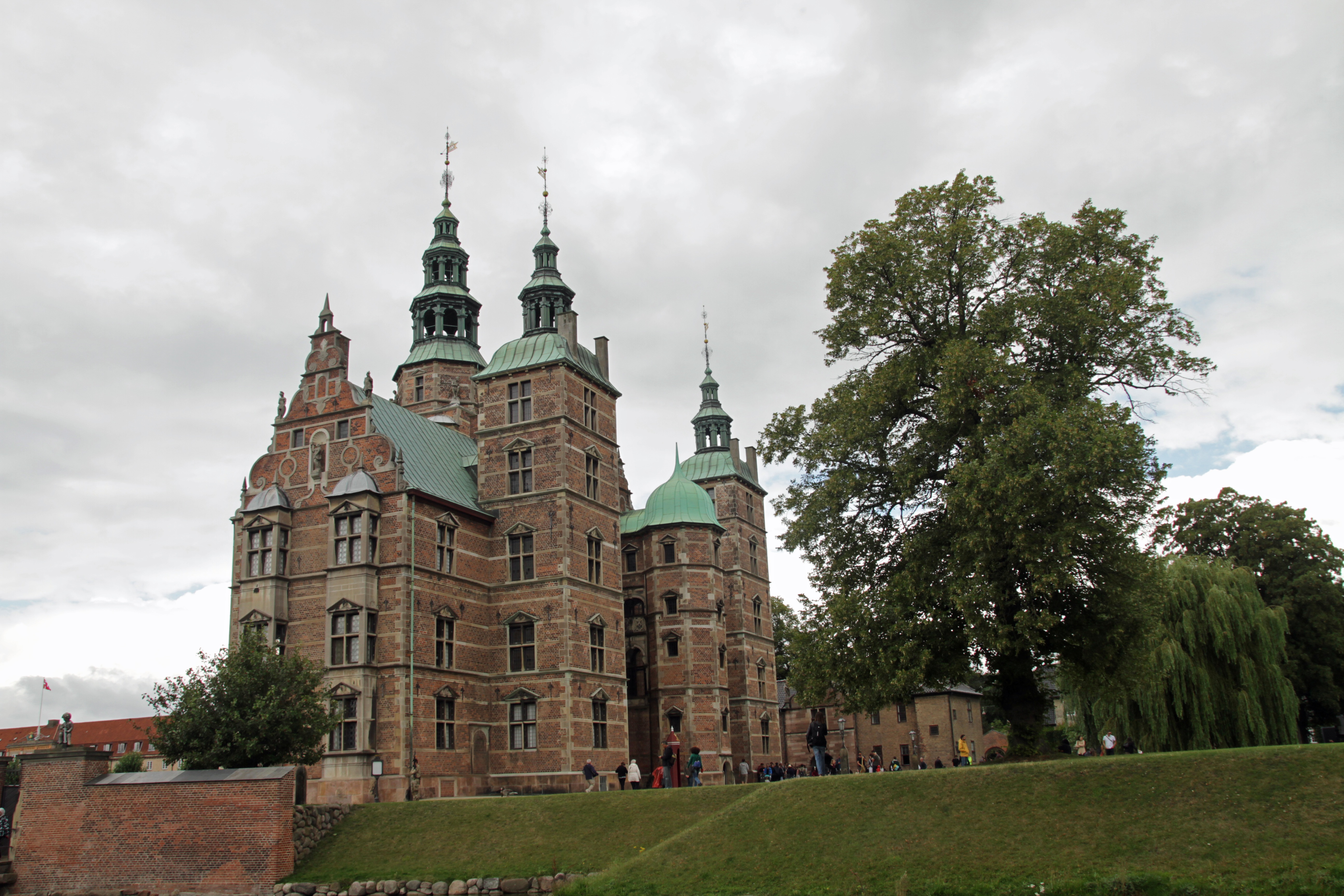
Rosenborg Castle
Castle History
Built in the heart of Copenhagen, Rosenborg Castle stands as a jewel of Danish Renaissance architecture and royal history. It was commissioned in 1606 by King Christian IV, one of Denmark's most ambitious and influential monarchs. Originally designed as a pleasure palace, it gradually became a repository for royal collections and treasures. The castle's red brick façade, adorned with sandstone decorations, reflects the Dutch Renaissance style favored by Christian IV. Inside, ornate halls and chambers display period furniture, tapestries, and art collected over centuries. Rosenborg houses the Danish Crown Jewels, including crowns, scepters, and regalia used in coronations. Its Long Hall, or Knights' Hall, features statues of Danish kings and coats of arms of noble families, creating a gallery of national pride. The castle survived wars and political upheavals, including the Napoleonic conflicts, largely intact. Its central location allowed the royal family to move easily between palace, city, and gardens. The surrounding King's Garden, one of the oldest in Copenhagen, was laid out simultaneously with the castle and remains a public space. Rosenborg's collection of royal artifacts provides insight into the opulence, tastes, and power of Denmark's monarchy. During the 18th and 19th centuries, the castle became more of a museum, preserving Denmark's history for future generations. Its tower offers panoramic views of Copenhagen, combining defensive symbolism with aesthetic appeal. The castle's architecture and collections have inspired countless historians, artists, and architects interested in Northern European Renaissance style. Today, Rosenborg Castle remains a cultural treasure, bridging Denmark's royal past with public engagement and education.