


< Back
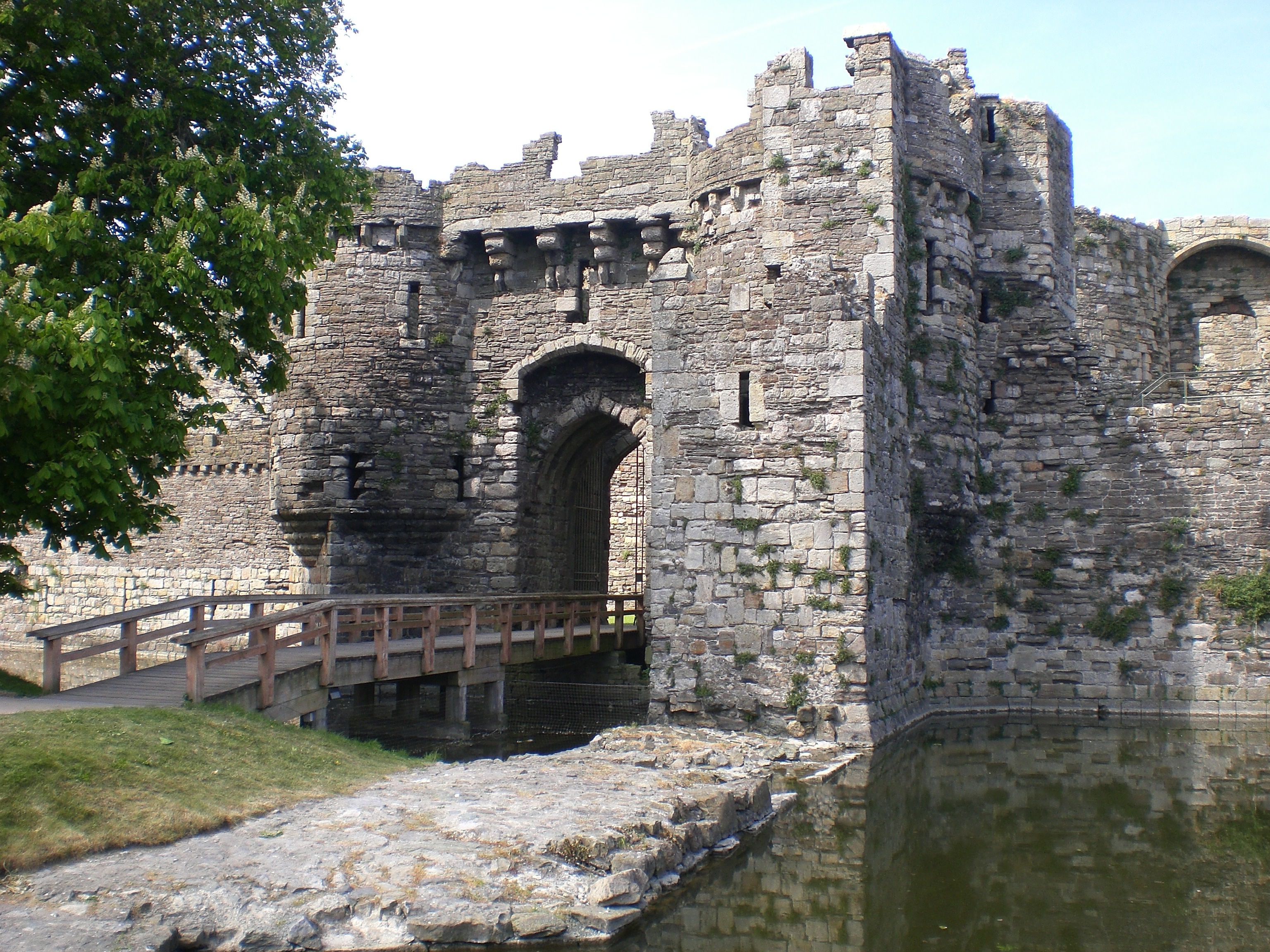
Beaumaris Castle
Castle History
Widely regarded as the most technically perfect example of medieval military architecture in Britain, Beaumaris Castle was the last and largest castle built by Edward I of England during his conquest of Wales. Construction began in 1295 on the island of Anglesey following a Welsh uprising. The castle was designed by the renowned master architect James of Saint George. Its layout follows a near-perfect concentric design, with one ring of defenses enclosed within another. A broad moat originally surrounded the fortress, adding another layer of protection. Unlike many medieval castles built on hills, Beaumaris was constructed on flat ground, relying entirely on its sophisticated defensive engineering. The castle featured multiple gatehouses, towers, and strategically positioned arrow slits to repel attackers. A tidal dock allowed supplies and reinforcements to arrive directly by sea when needed. Despite its ambitious design, the castle was never fully completed because funds and royal attention were diverted elsewhere. Even unfinished, it remains one of the finest surviving examples of medieval castle planning in Europe. During the English Civil War, the fortress changed hands several times between Royalist and Parliamentarian forces. Its remarkably symmetrical appearance continues to fascinate historians, architects, and visitors alike. Today, the castle forms part of the UNESCO World Heritage Site that includes several of Edward I's great Welsh fortresses. Walking through its massive walls and towers offers a glimpse into what many experts consider the pinnacle of medieval castle design.