


< Back
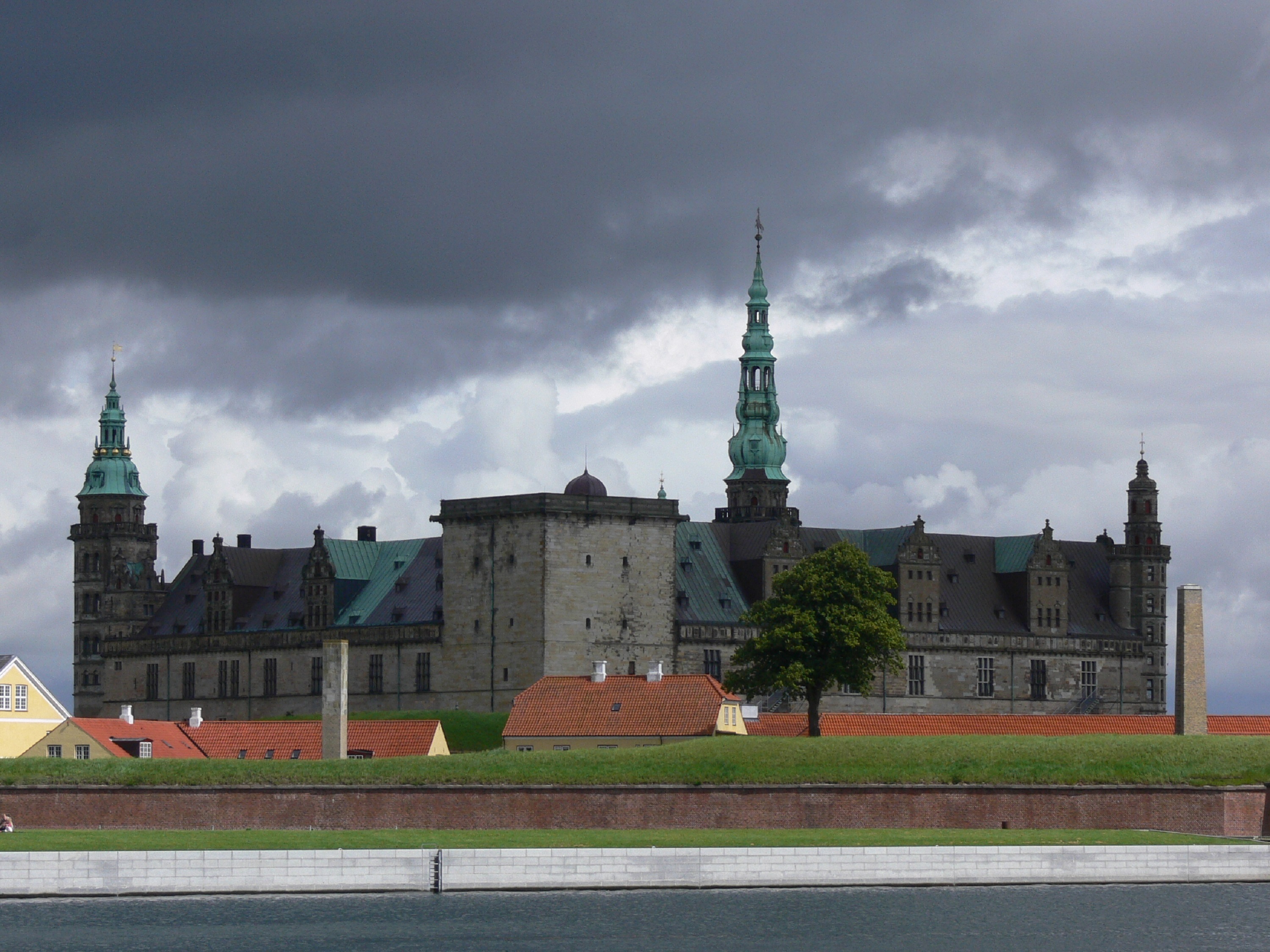
Kronborg Castle
Castle History
Commanding one of the narrowest points of the Øresund Strait, Kronborg Castle played a crucial role in controlling maritime trade between the North Sea and the Baltic Sea. The fortress was originally constructed in the 15th century by Danish king Eric of Pomerania. Its strategic location allowed Denmark to collect tolls from passing ships for hundreds of years. These tolls generated enormous wealth and helped make Denmark one of Northern Europe's most powerful kingdoms. The castle was extensively rebuilt in the Renaissance style during the reign of Frederick II of Denmark. Elegant halls, ornate decorations, and grand chambers transformed it into a royal residence as well as a military fortress. A devastating fire in 1629 destroyed much of the interior, though the outer walls survived. The castle was later painstakingly restored to its former splendor. Kronborg achieved worldwide fame as the setting of Shakespeare's "Hamlet", where it appears as Elsinore Castle. Although Shakespeare likely never visited Denmark, his play forever linked the fortress to one of literature's greatest tragedies. Beneath the castle lies a network of dark casemates once used by soldiers during times of war. These underground chambers are home to the legendary statue of Holger Danske, Denmark's mythical sleeping hero. According to legend, Holger Danske will awaken if Denmark is ever threatened by great danger. The fortress has survived wars, sieges, fires, and centuries of political change while remaining one of Scandinavia's most recognizable landmarks. Today, its towering spires, rich history, and literary connections make it one of Denmark's most celebrated UNESCO World Heritage Sites.